
Selling with no surprises.
Inspect your home before it hits the market, so repairs and pricing are decided on your terms.
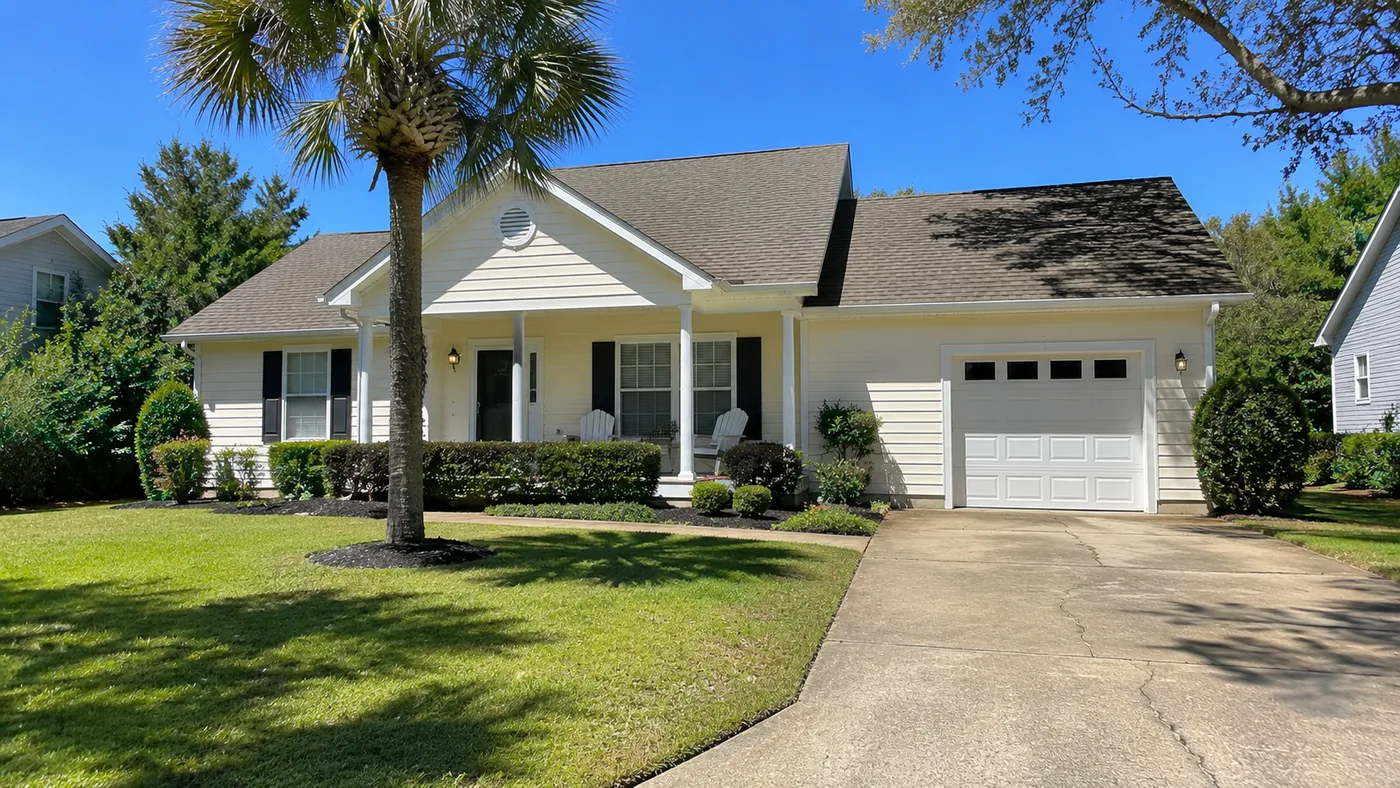
Pre-Listing Inspection
Most sellers first hear about a problem when the buyer's inspector finds it. By then the pressure is on. A pre-listing inspection flips that order. You learn what a buyer is likely to notice while you still have time to fix it, explain it or price around it. That early knowledge changes the whole selling conversation. You can choose your response instead of reacting under pressure.
Caleb Charbonneau inspects the property the same way he would for a buyer. You receive a clear record of the home's condition. Sellers often use that to make repairs at a calmer pace and to answer buyer questions with confidence. It is a simple way to stay in control of the process from the first day of your listing.
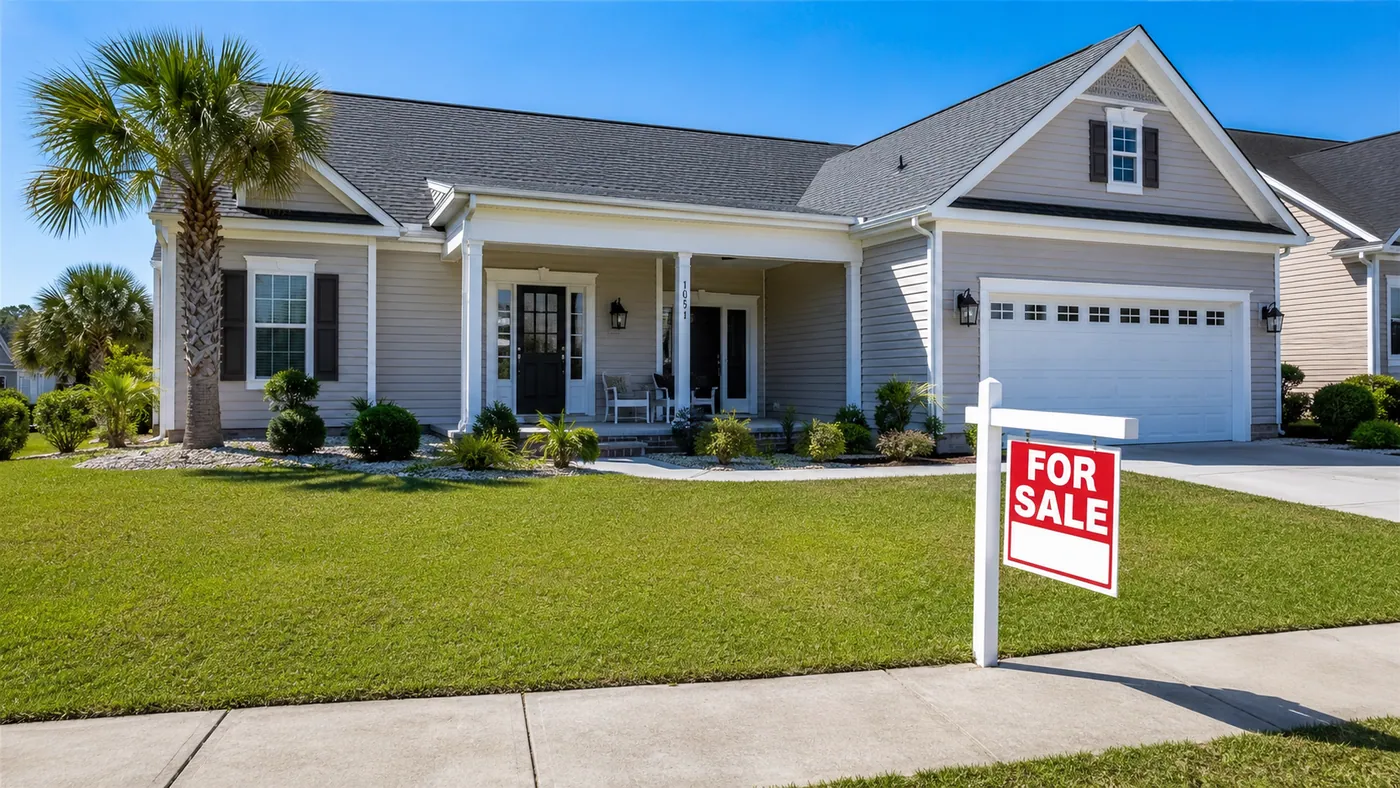
What sellers find out.
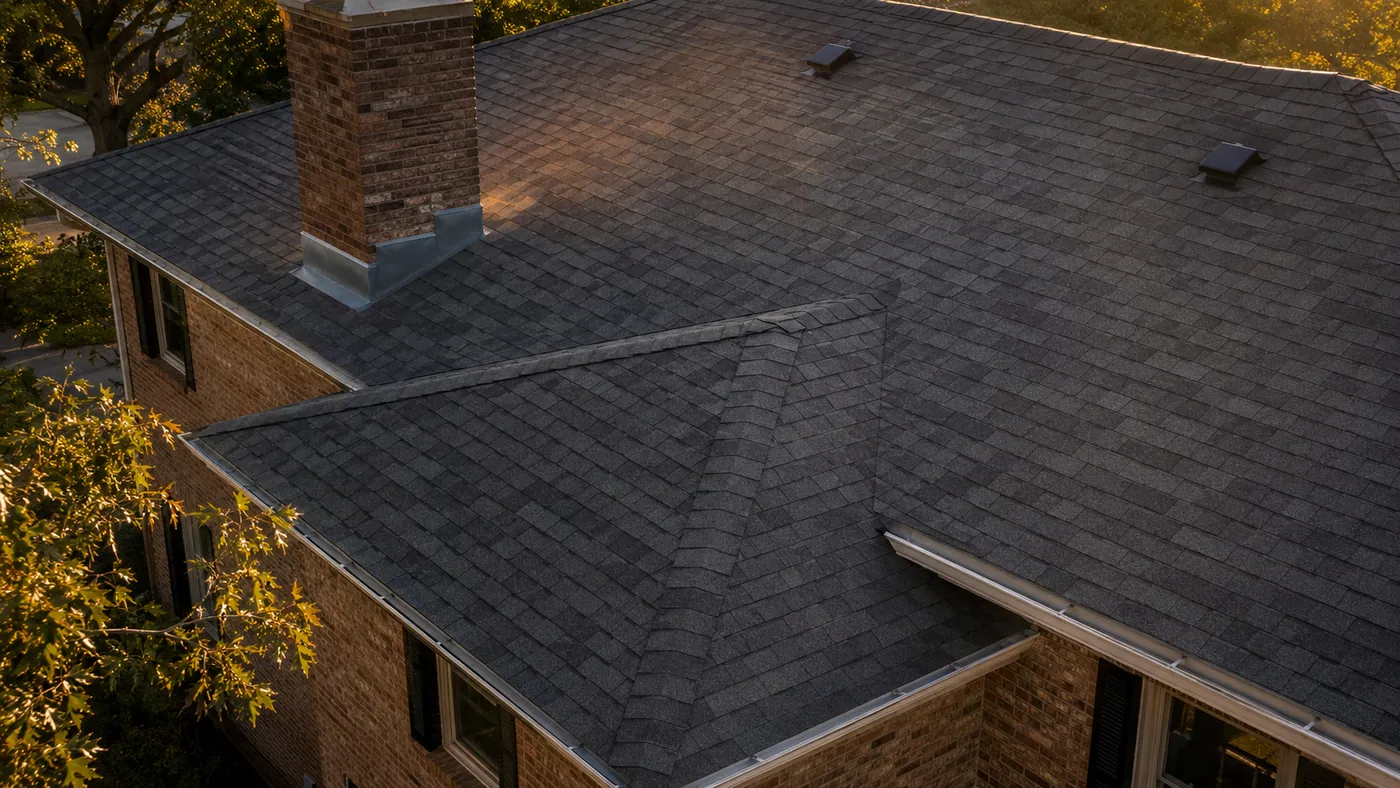
- Visible roof and exterior condition
- Electrical safety concerns
- Plumbing leaks and fixture problems
- Air conditioning and heating operation
- Attic and ventilation condition
- Moisture signs around windows and ceilings
- Doors, windows and interior finishes
- Items likely to raise buyer questions
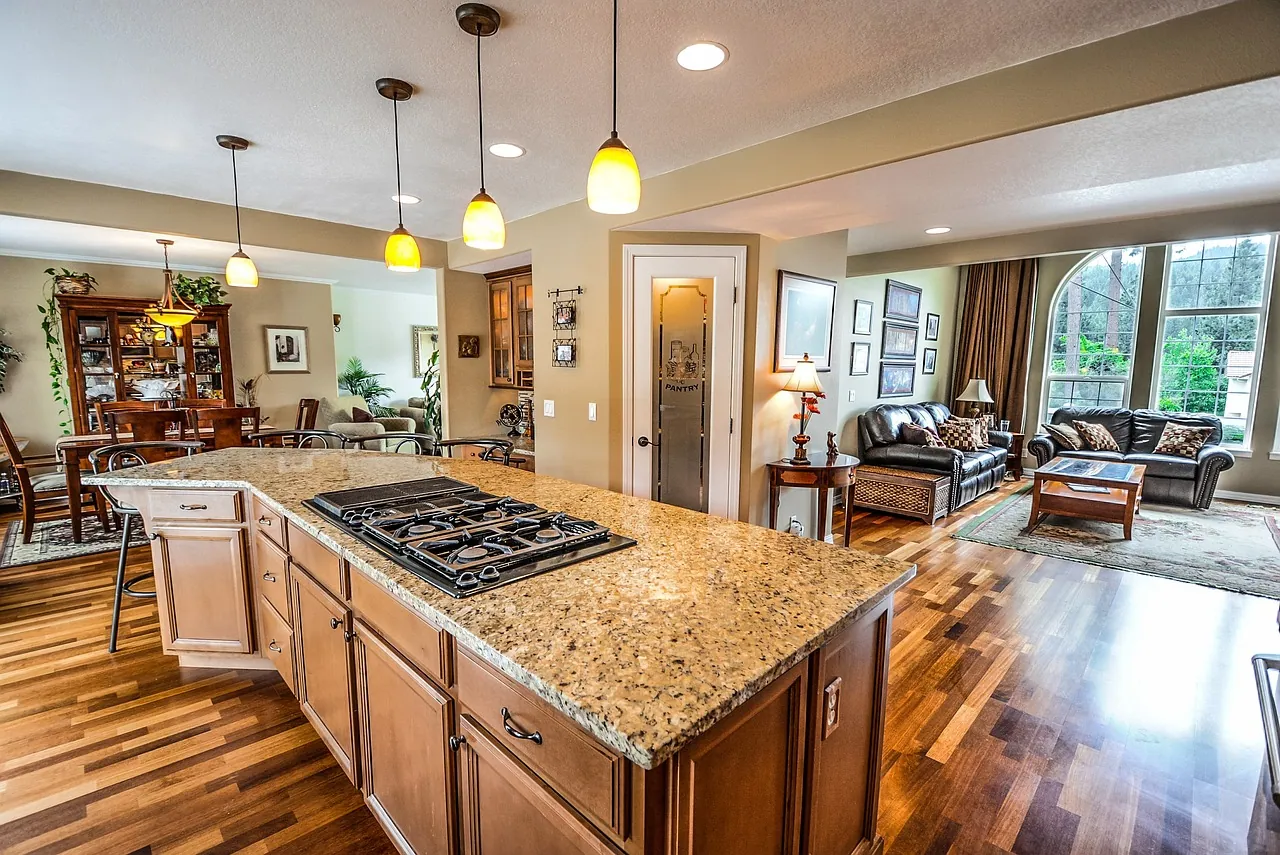

The right time to call.
Three situations where this inspection earns its keep.
Before you list
Doing the inspection first gives you time to handle repairs on your own schedule instead of rushing during a contract period.
When you want fewer surprises
Sellers who know their home's condition up front are less likely to see a deal shaken by a surprise finding late in the process.
For older or unusual homes
If your property is older or has had additions, an early inspection can show what buyers will ask about, and you can prepare answers.
Good to know.
Do I have to fix everything it finds?
No. You decide what to repair, what to disclose and what to leave. Some sellers fix the important items and price the rest. Your real estate agent can help you choose what makes sense for your sale. Whatever you choose, having the facts first lets you decide on purpose rather than in a rush.
Will a buyer still want their own inspection?
Many buyers do, and that is normal. A pre-listing report can still help by showing the home was cared for and by letting you address likely issues before a buyer ever looks. Think of the pre-listing report as preparation, not a replacement for the buyer side. It simply adds information.
Can I share the report with buyers?
Many sellers do share it, though that is your decision. Talk with your agent about disclosure rules and how to present the report so it supports your listing in a fair and honest way. Feel free to call and ask.
Often booked together.
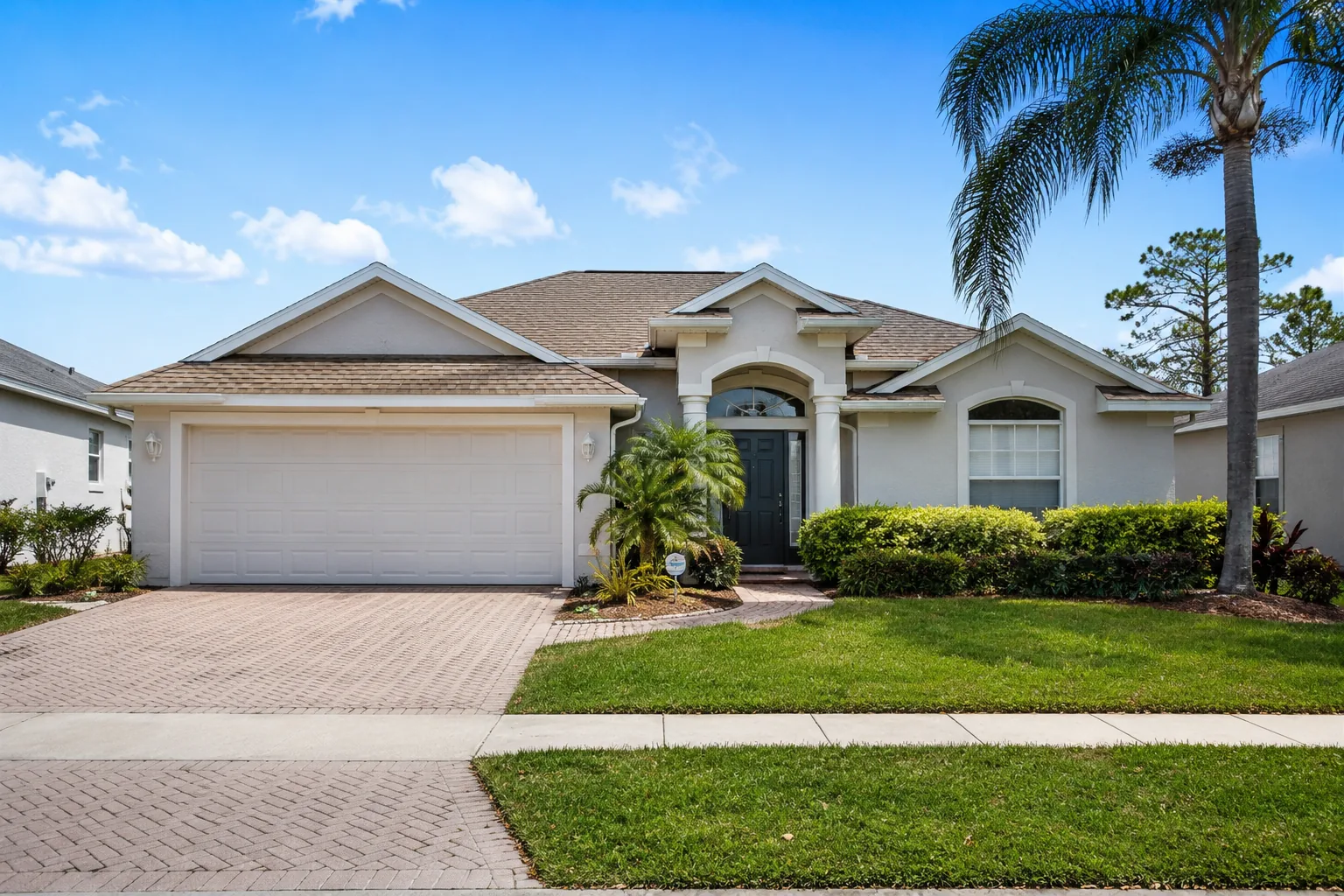
A top to bottom visual review of a home's major systems and structure, explained in plain language.
View service →
Records wind-resistant features of your home, which may qualify you for homeowner insurance premium discounts.
View service →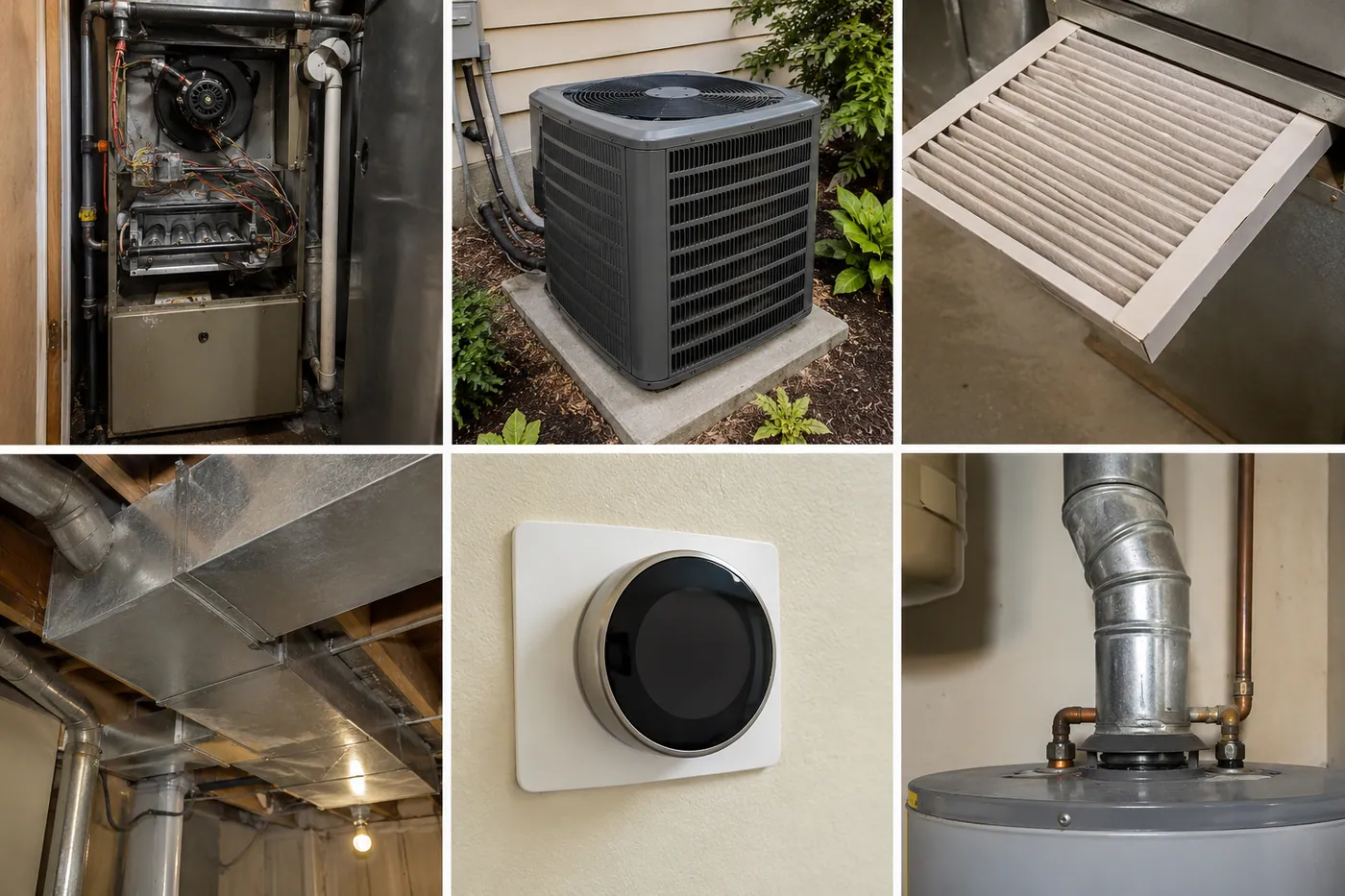
A focused review of roof, electrical, plumbing and HVAC, commonly requested by insurers for older Florida homes.
View service →Services
- Full Home Inspection
- Pre-Purchase Inspection
- Pre-Listing Inspection
- 4-Point Inspection
- Wind Mitigation Inspection
- Pre-Pour Inspection
- Pre-Drywall Inspection
- New Construction Final Inspection
- Builder Warranty Inspection
- Move-Out Inspection
- Rental Inspection
- Indoor Air Quality Testing
- Mold Swab Testing
- Well Water Testing
- Pool & Spa Inspection