
See inside the walls before they close.
A review of framing, wiring, plumbing and ductwork while the walls are still open.
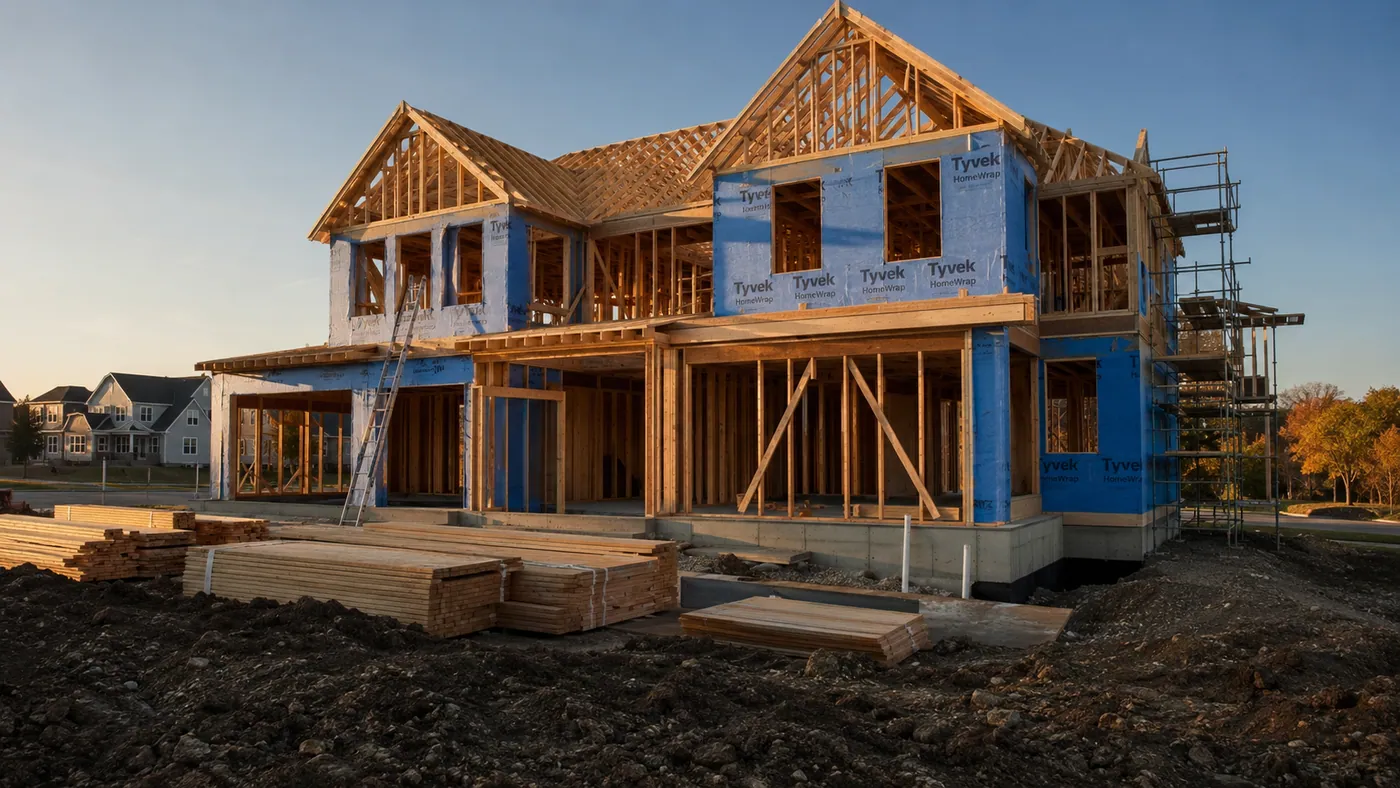
Pre-Drywall Inspection
After drywall goes up, most of a home's inner workings disappear from view. The pre-drywall stage is your window to see how the house was really built. It is a short period, and it is the best time to find hidden mistakes. It happens quickly, so plan ahead with your builder and ask about the schedule.
Caleb Charbonneau looks at the framing, wiring, plumbing, ductwork and insulation as they stand. Problems found now can be corrected by the builder without tearing anything apart. A written record also helps if questions come up later. The report you receive documents the condition of the work before it was covered. It gives you a record to refer back to for years, long after the walls are finished and painted.
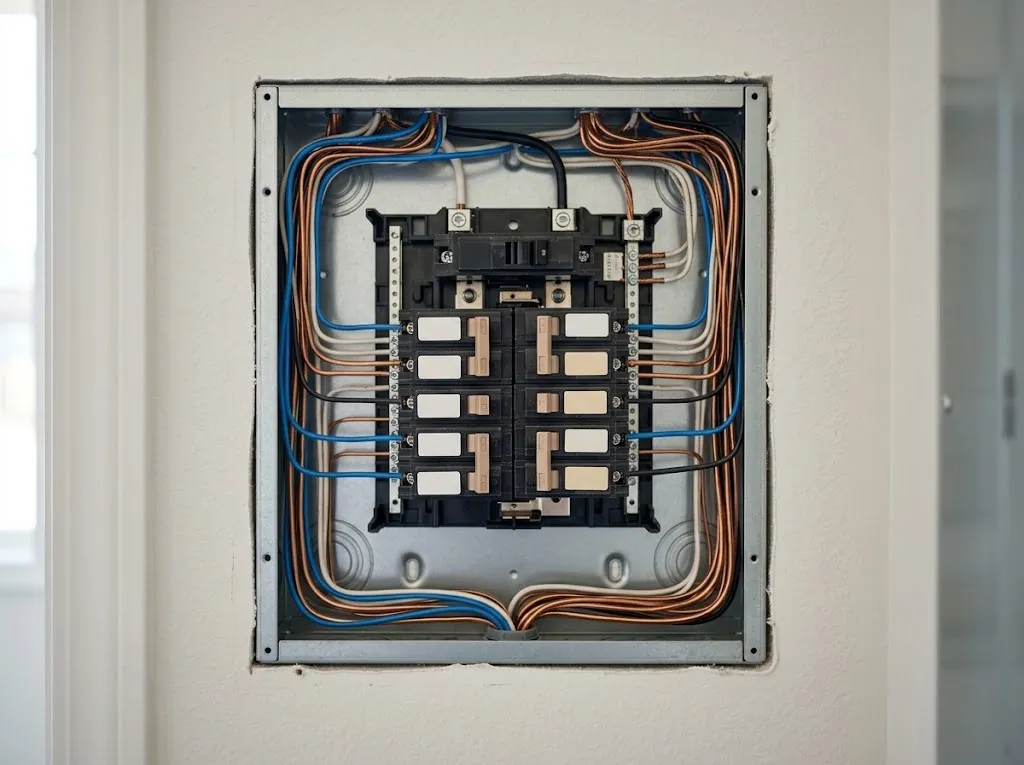
What the walls reveal.
- Framing and structural connections
- Electrical wiring and box installation
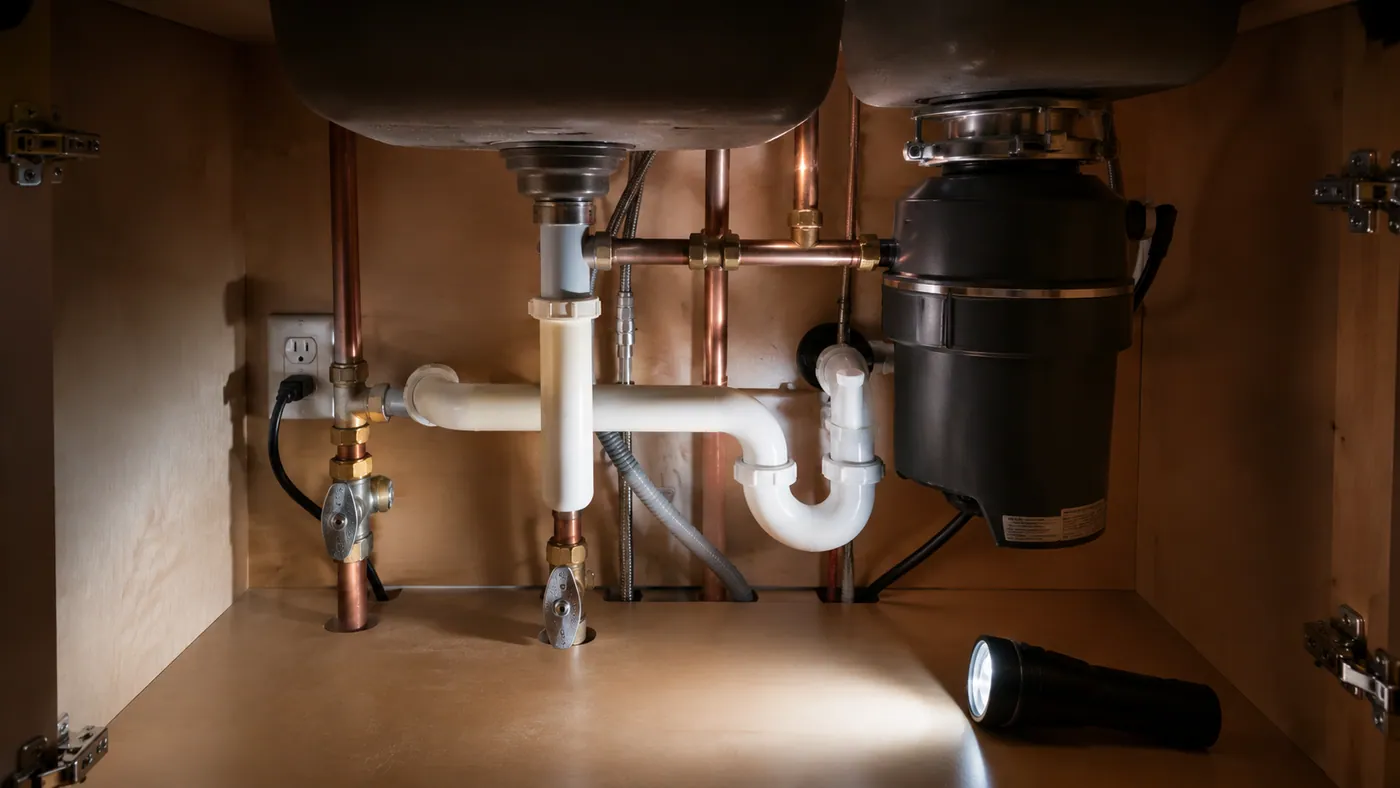
- Plumbing supply and drain lines
- Duct routing and connections
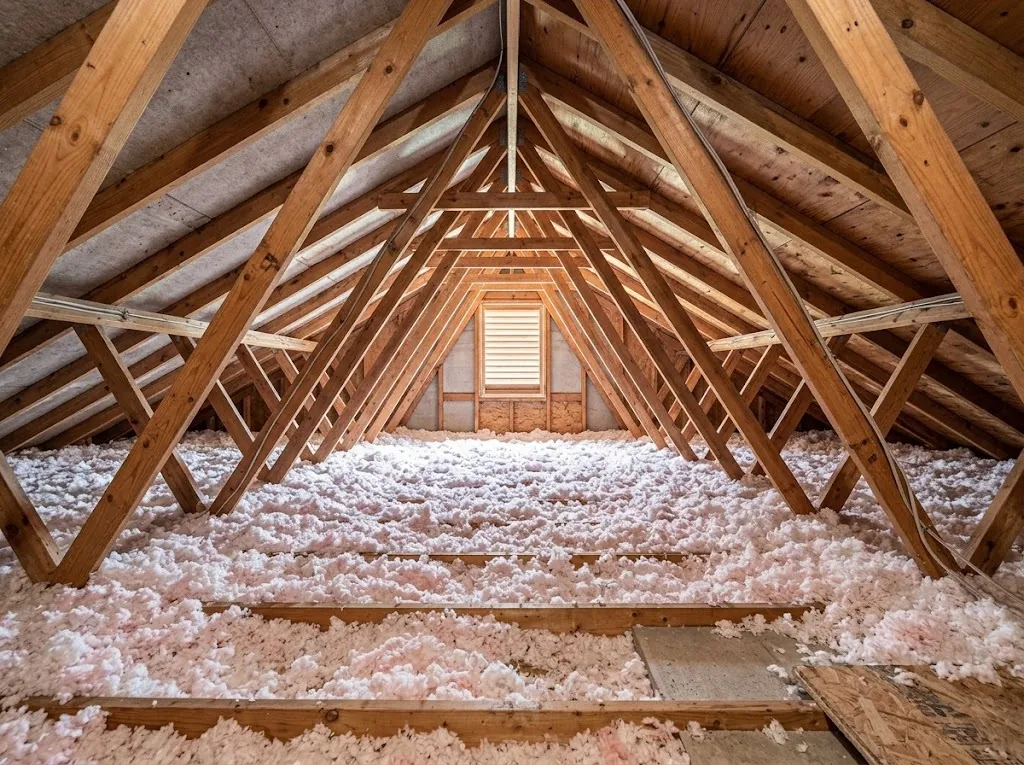
- Insulation placement and gaps
- Fire blocking and draft stopping
- Window and door flashing details
- Roof sheathing and truss condition
The right time to call.
Three situations where this inspection earns its keep.
After rough-in, before insulation
The best moment is once framing and systems are in but before insulation or drywall hides them. Confirm timing with your builder. Ask your builder for the schedule so you do not miss the window.
When building a new home
Buyers of new construction often want an independent look before walls close, since fixes are easiest at this point and the builder can still adjust the work.
If you have doubts
If something seems off during your walkthroughs, a pre-drywall inspection can confirm or settle the concern while access is open.
Good to know.
Why not wait for the final inspection?
Because most of what is inside the walls cannot be seen once they are closed. A final inspection looks at surfaces and operating systems. Pre-drywall covers the hidden work that a later visit cannot reach. That is why many careful buyers add this stage to their plan.
Will the builder allow it?
Many builders allow buyer inspections with notice, but policies vary. Read your contract and ask early. Safety rules on an active site may limit when and how you can visit. A polite request with a clear time and date usually helps the process. Early requests are easier to say yes to.
Is the framing checked against plans?
Caleb reviews what is visible and notes anything that looks incorrect or unusual. He is not a replacement for engineers or code officials. Raise any concerns with your builder and the local building department. Feel free to call and ask.
Often booked together.
A look at foundation preparation before the slab is poured, when problems are still simple to fix.
View service →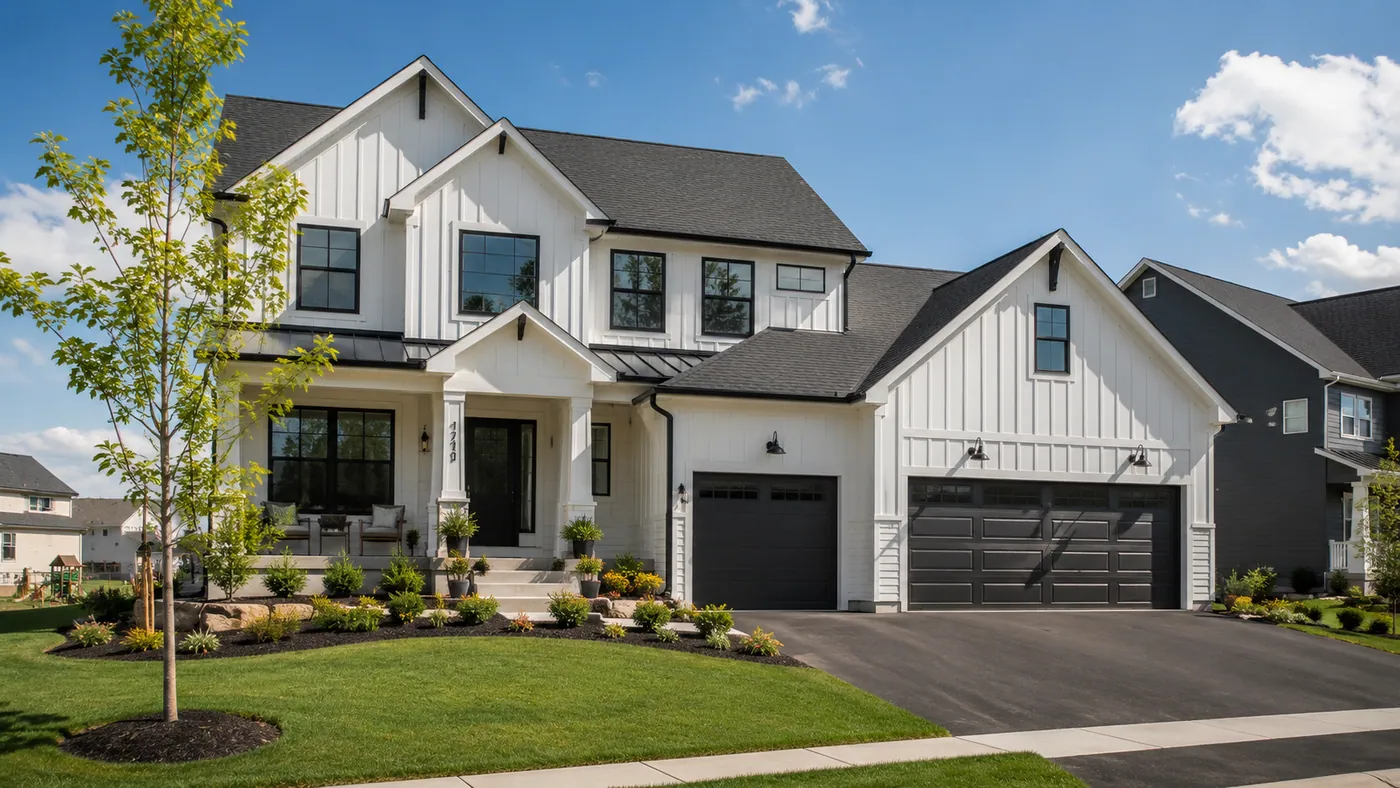
An independent look at a finished new build before you sign, so punch list items are found early.
View service →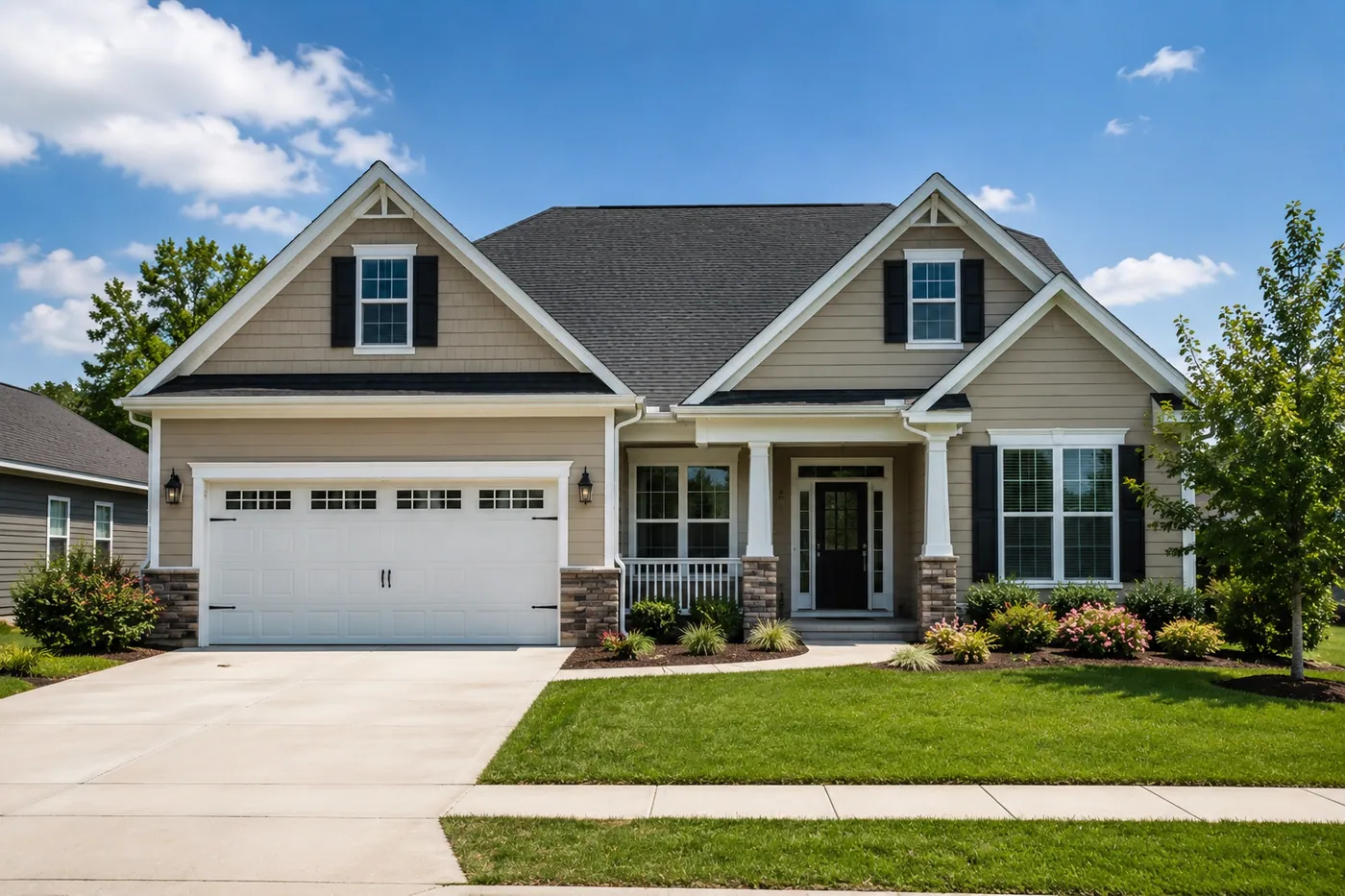
Find problems in a newer home while the builder's warranty still covers them.
View service →Services
- Full Home Inspection
- Pre-Purchase Inspection
- Pre-Listing Inspection
- 4-Point Inspection
- Wind Mitigation Inspection
- Pre-Pour Inspection
- Pre-Drywall Inspection
- New Construction Final Inspection
- Builder Warranty Inspection
- Move-Out Inspection
- Rental Inspection
- Indoor Air Quality Testing
- Mold Swab Testing
- Well Water Testing
- Pool & Spa Inspection