
Catch defects before warranty runs out.
Find problems in a newer home while the builder's warranty still covers them.
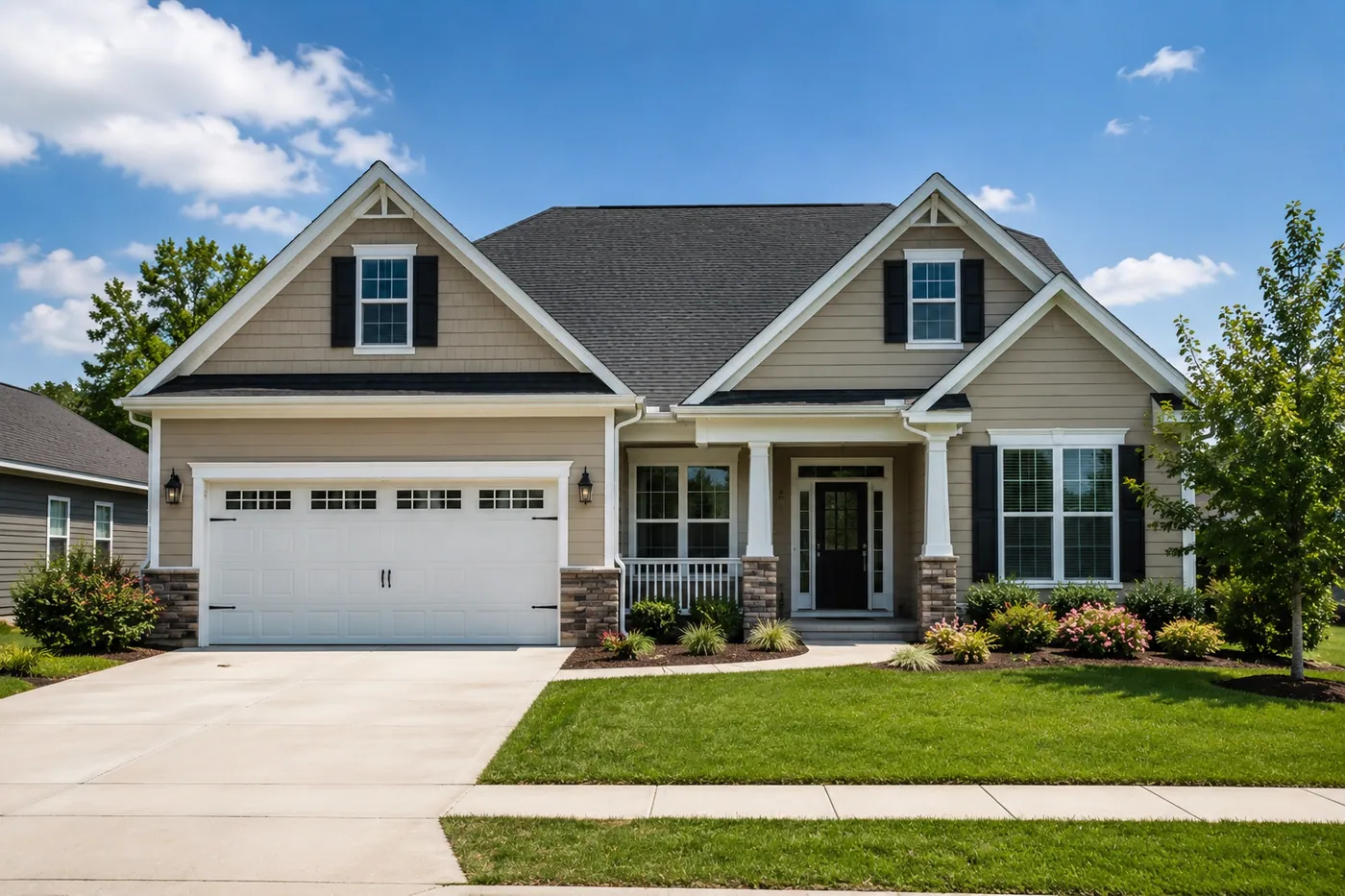
Builder Warranty Inspection
Most new homes come with a builder's warranty, and warranties do not last forever. Problems can show up slowly, such as settling cracks, small leaks or poor drainage. A builder warranty inspection finds them while you can still make a claim. Waiting too long can mean paying for repairs that the builder would have handled.
Caleb Charbonneau reviews the home as it stands today and documents anything that looks like a defect. You can then submit the list to your builder in writing. Warranty terms differ, so read your own paperwork for deadlines and what is covered. A written report makes that conversation with the builder simpler and more organized.
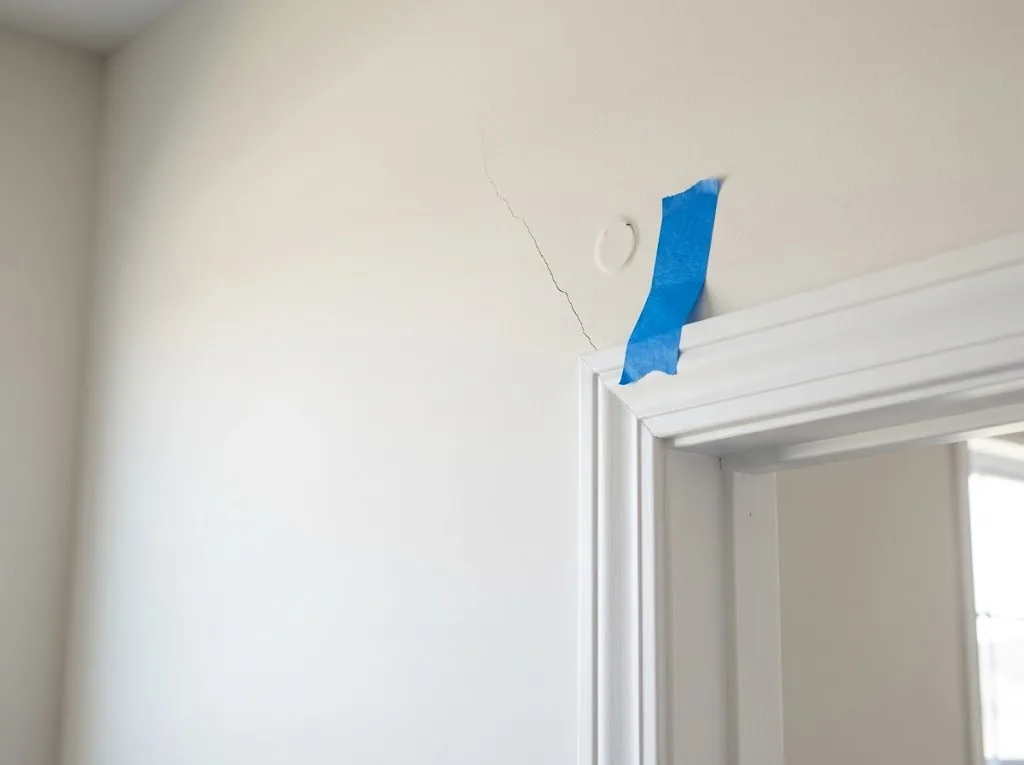
What gets documented.
- Cracks in walls, slab or stucco
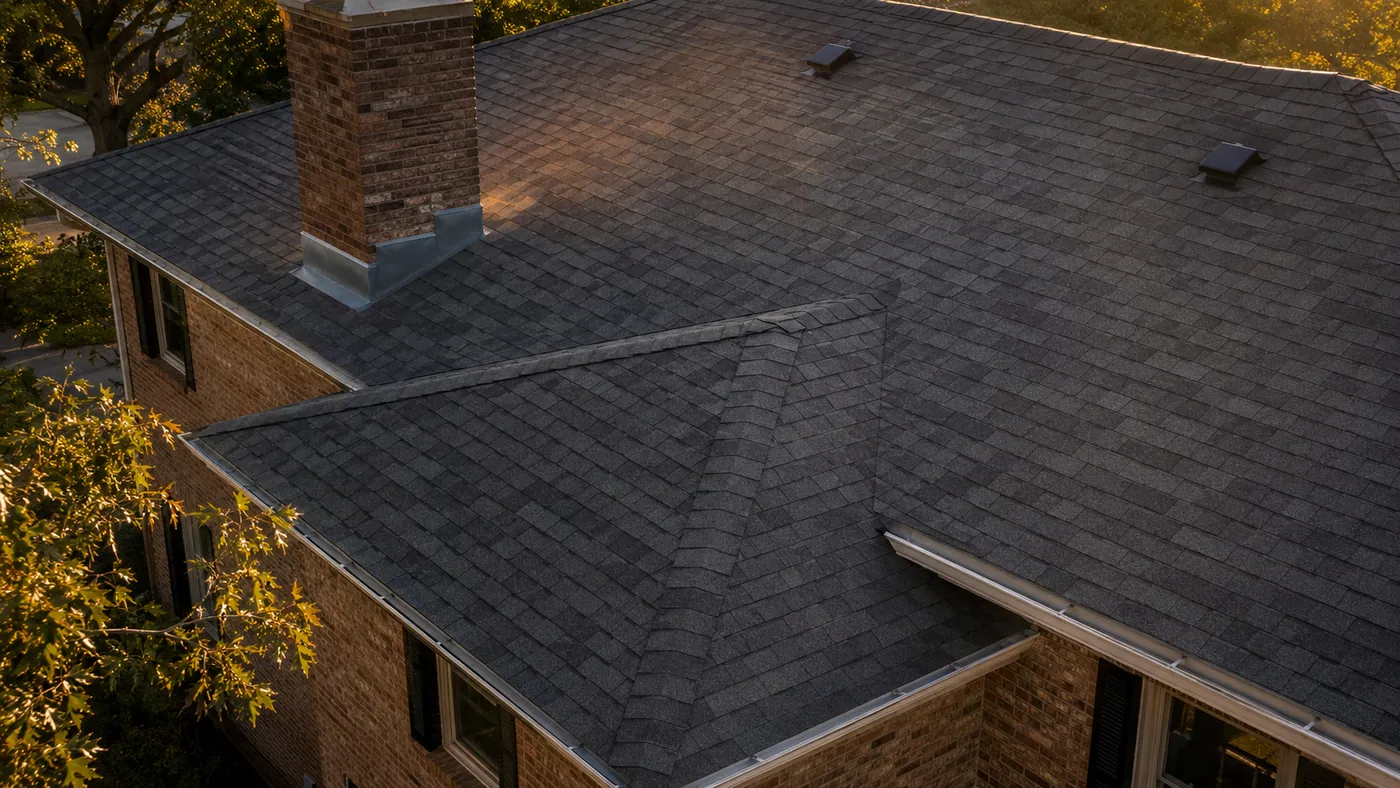
- Roof and flashing performance
- Window and door operation
- Plumbing leaks and drainage
- Electrical and outlet function
- Air conditioning performance
- Grading and water flow near the house
- Attic, insulation and ventilation
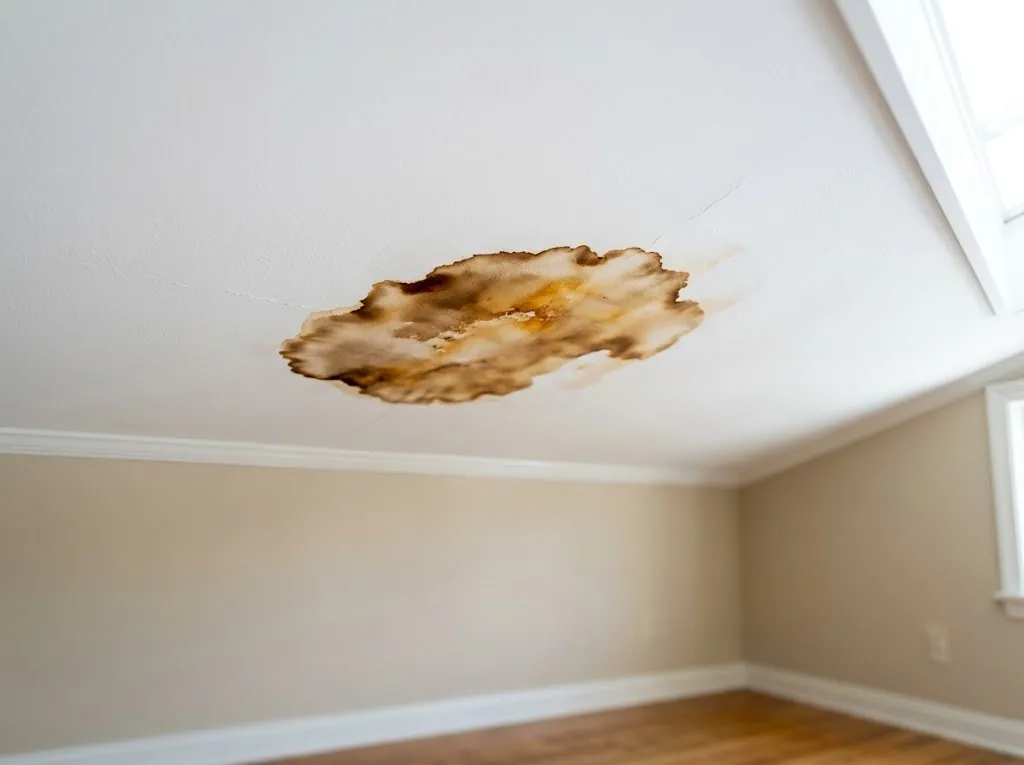
The right time to call.
Three situations where this inspection earns its keep.
Before the warranty ends
Plan the inspection well ahead of your expiration date, so there is time to submit claims in writing and for the builder to respond fully.
After a full season in the home
A home has lived through heat, rain and storms by then. Problems that did not show on move in day may now be visible.
If you notice small issues
Stains, sticking doors or odd sounds can be early signs of trouble. An inspection helps tell cosmetic wear from real defects that the warranty may cover.
Good to know.
When should I schedule it?
Look at your warranty paperwork, find the dates, and book with time to spare. Some warranties have shorter terms for certain items. Give yourself enough room to submit a clear written claim. When in doubt, ask your builder for the exact dates in writing.
Will the builder fix everything on the report?
Not necessarily. Builders decide based on warranty terms and the defect. A written, documented list gives you a stronger starting point than a phone call. Read your warranty carefully for what applies. Keep copies of every message you send and every answer you get.
Is this different from a full inspection?
The process is similar. The difference is purpose. It is timed and written to support warranty claims on a relatively new house, rather than a purchase or sale decision. It is a good fit for owners of newer homes who want to use their warranty fully, before it runs out for good.
Often booked together.
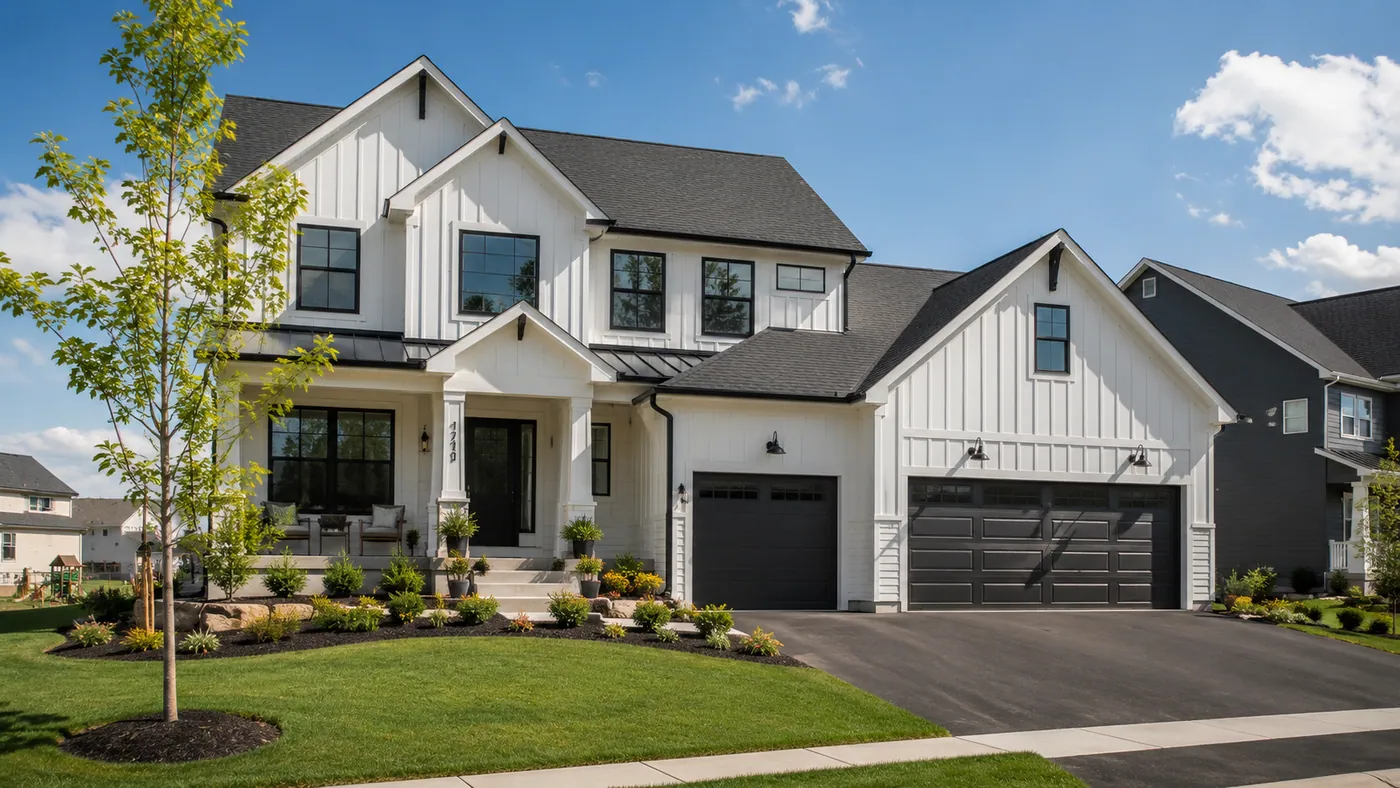
An independent look at a finished new build before you sign, so punch list items are found early.
View service →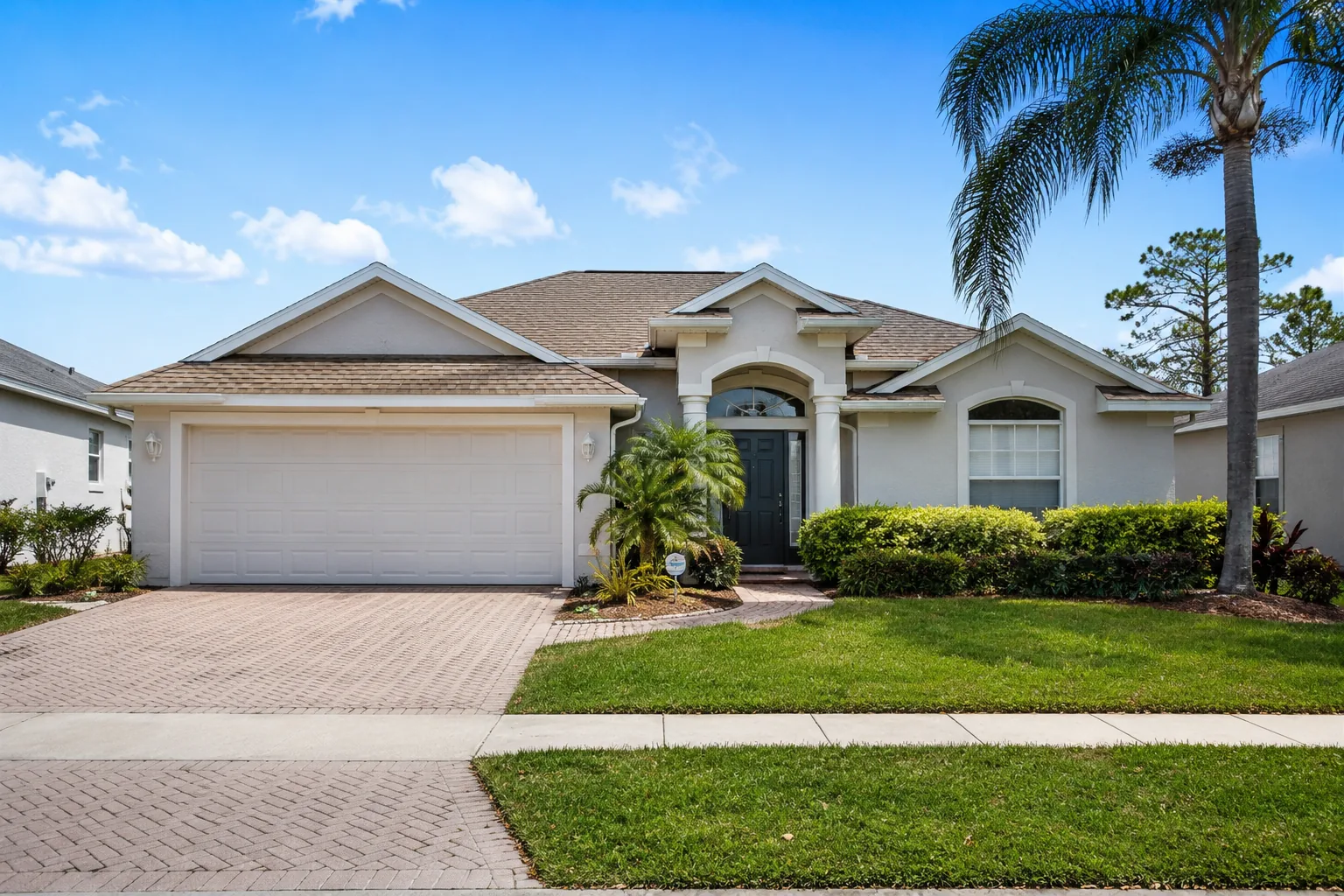
A top to bottom visual review of a home's major systems and structure, explained in plain language.
View service →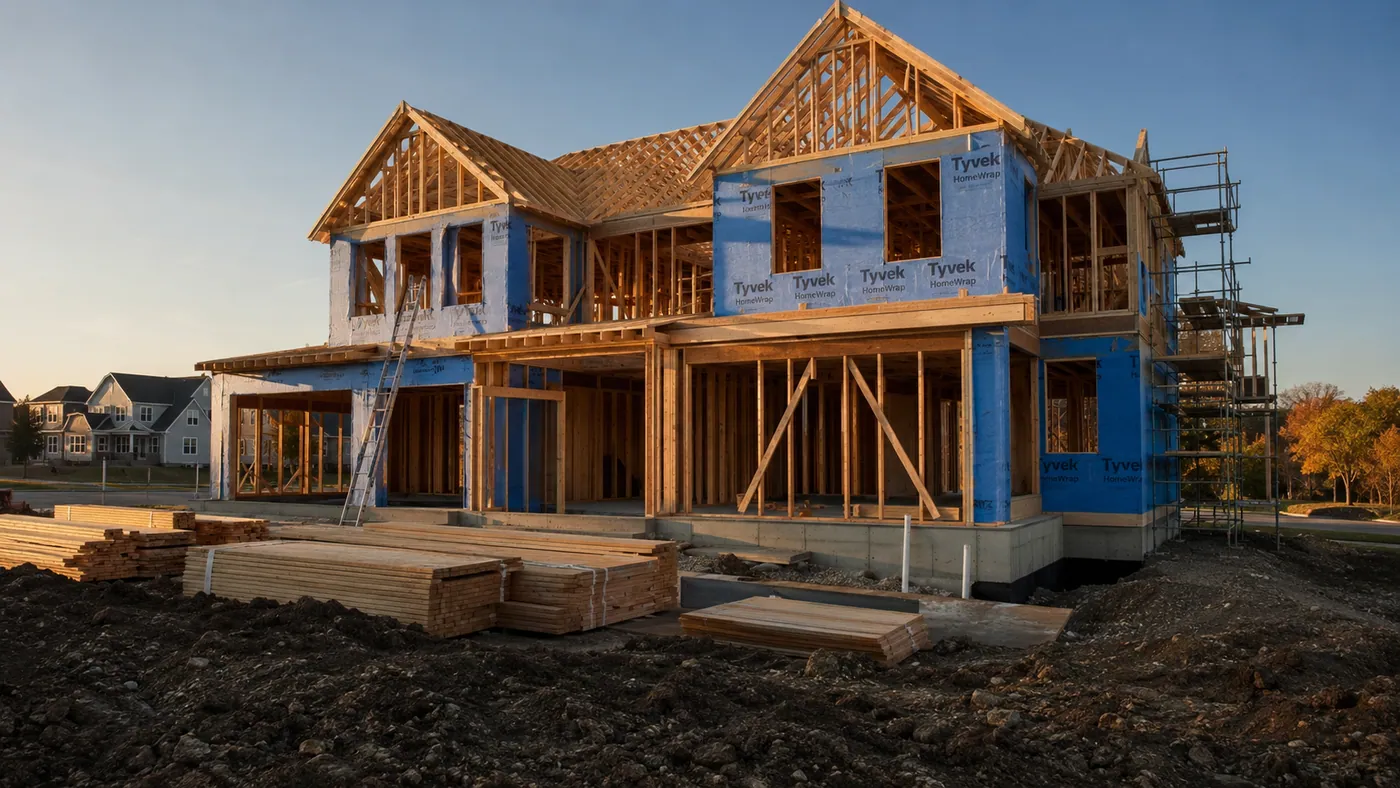
A review of framing, wiring, plumbing and ductwork while the walls are still open.
View service →Services
- Full Home Inspection
- Pre-Purchase Inspection
- Pre-Listing Inspection
- 4-Point Inspection
- Wind Mitigation Inspection
- Pre-Pour Inspection
- Pre-Drywall Inspection
- New Construction Final Inspection
- Builder Warranty Inspection
- Move-Out Inspection
- Rental Inspection
- Indoor Air Quality Testing
- Mold Swab Testing
- Well Water Testing
- Pool & Spa Inspection