
Your new home, checked before closing.
An independent look at a finished new build before you sign, so punch list items are found early.
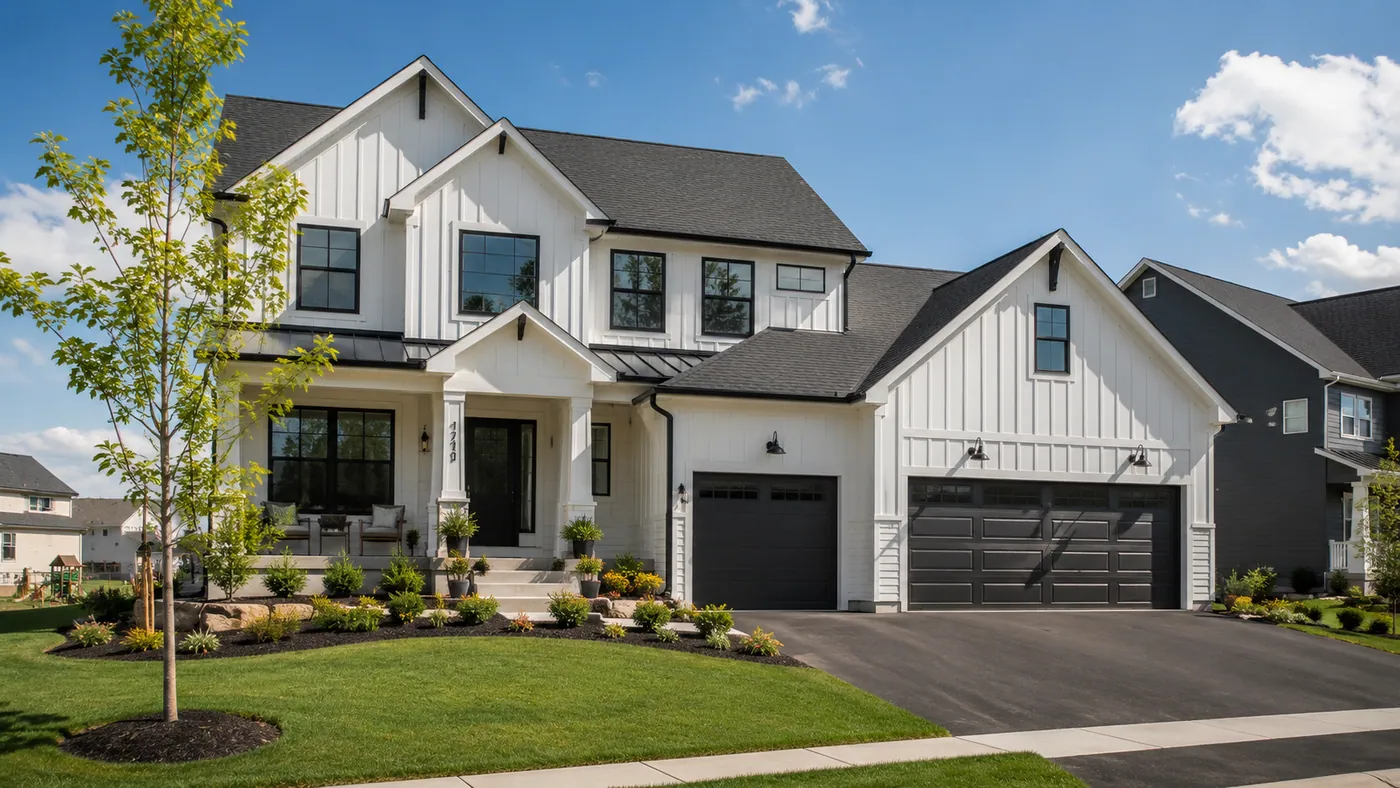
New Construction Final Inspection
A new home feels like it should be perfect, but new does not always mean flawless. Builders work under tight schedules, and many trades touch one house. A final inspection before closing gives you an independent look at the finished product. Most builders expect buyers to bring up concerns, so there is nothing awkward about asking.
Caleb Charbonneau checks the completed home from the roof to the garage, testing what can be tested. You get a list of items to raise with the builder. Having it in writing before closing puts you in a stronger place to ask for fixes. That is a useful list to bring to your final walkthrough with the builder.
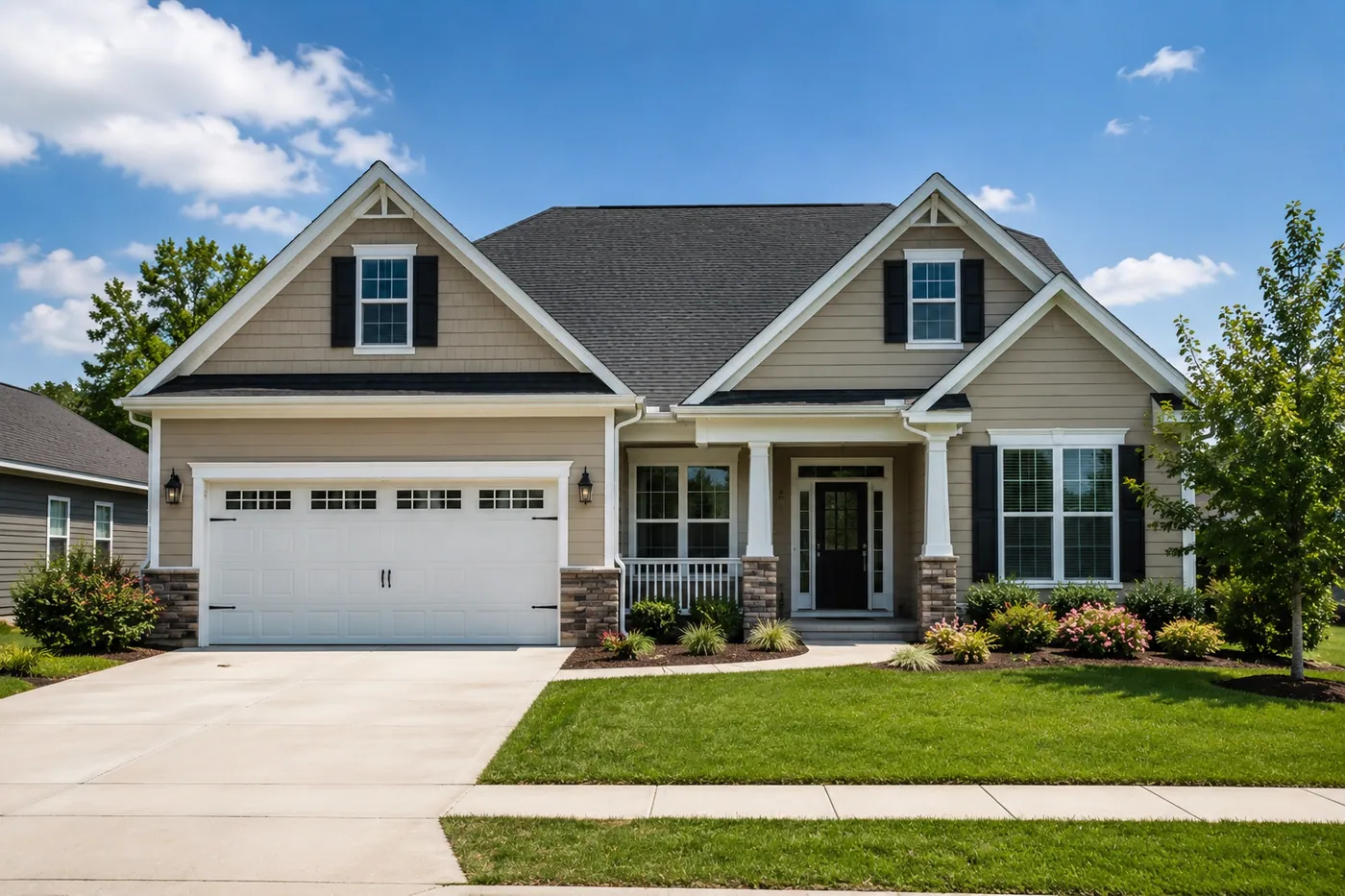
What gets reviewed.
- Roof, flashing and gutters
- Exterior siding, stucco and trim
- Electrical panel and outlets
- Plumbing fixtures and water pressure
- Air conditioning operation and airflow
- Doors, windows and hardware
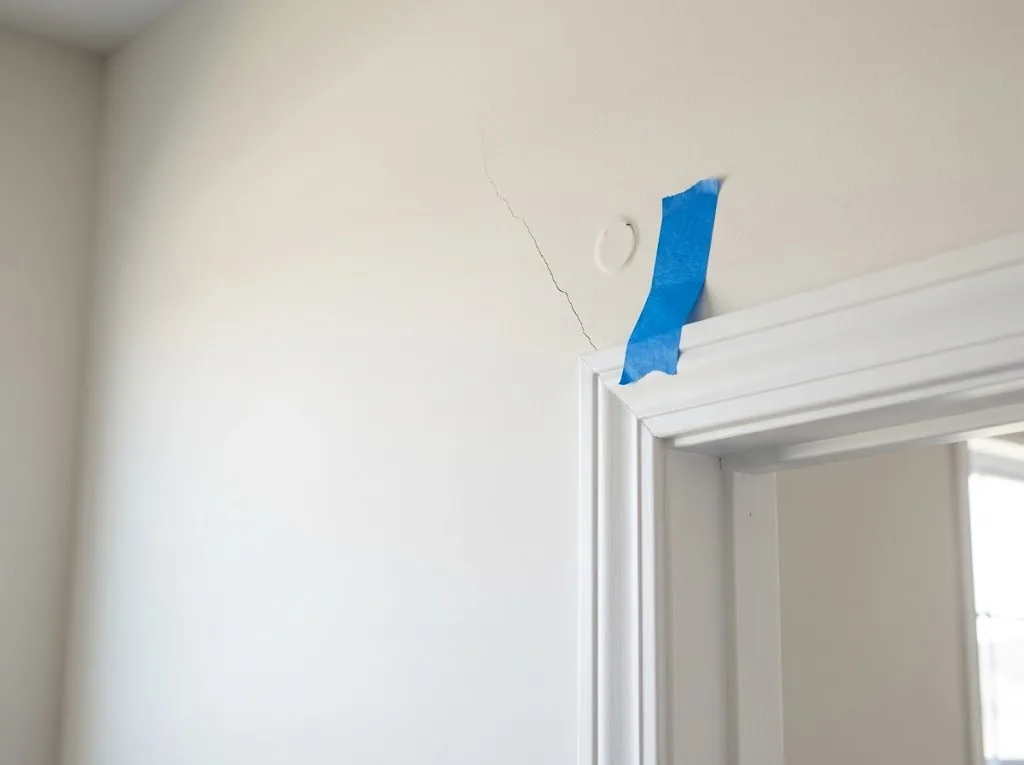
- Interior finish and drywall quality
- Attic insulation and ventilation
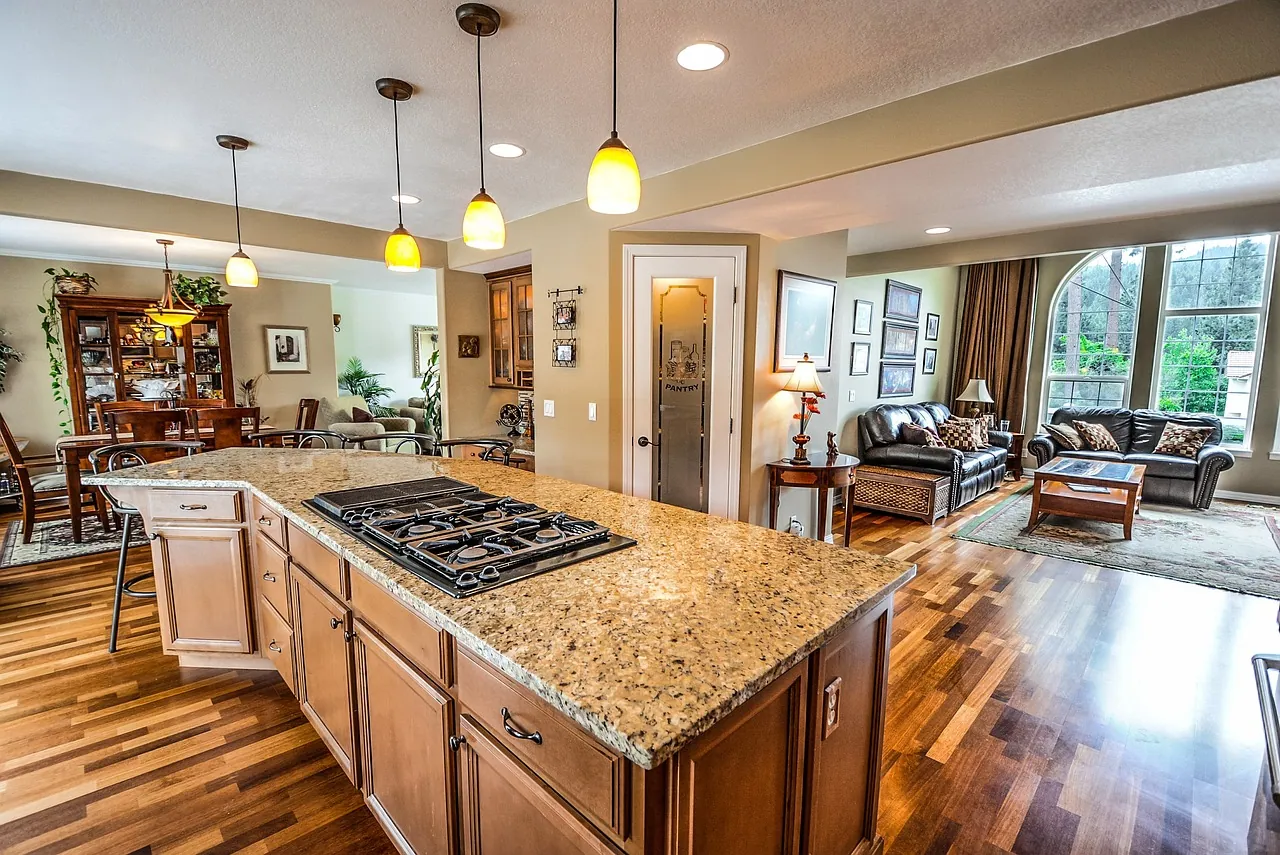
The right time to call.
Three situations where this inspection earns its keep.
Before final walkthrough
Schedule the inspection ahead of your builder's walkthrough so you arrive with a list of items to point out and discuss with them.
Before you close
Once you sign, leverage changes. Finding items before closing makes it far easier to ask the builder to complete the work properly.
When the builder says it is perfect
Builder checks are valuable, but a second set of eyes works only for you. Most buyers find a few things worth fixing.
Good to know.
Did the city not already inspect it?
Municipal inspections check code compliance at set stages, and they are not a full review for your benefit. A private inspection looks at quality, function and finish from a buyer's point of view. Both matter, but they have different jobs, so many buyers choose to have both done.
What happens with the list of defects?
You share it with your builder, who may agree to correct items before or after closing. How that works depends on your contract. Ask your builder how they handle completion items in writing. It helps to keep that list organized, with photos, so nothing gets lost in conversation.
Should I also do pre-drywall?
If you can, yes. A final inspection cannot see inside closed walls. Combining stages gives broader coverage of the build, from the foundation through the finished home. Starting earlier in the build means more of the home gets a second look, including parts that later disappear behind walls, floors and finishes in the finished house.
Often booked together.
Find problems in a newer home while the builder's warranty still covers them.
View service →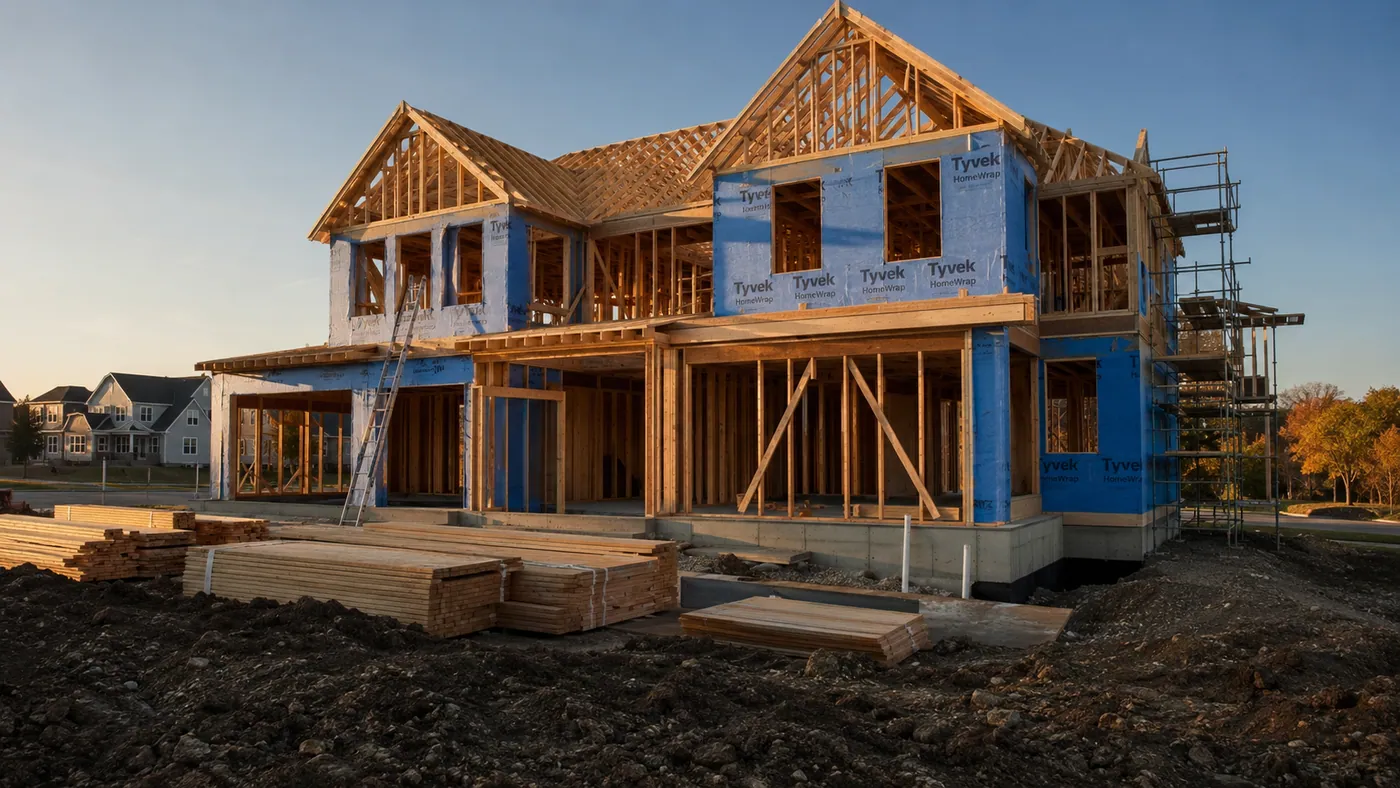
A review of framing, wiring, plumbing and ductwork while the walls are still open.
View service →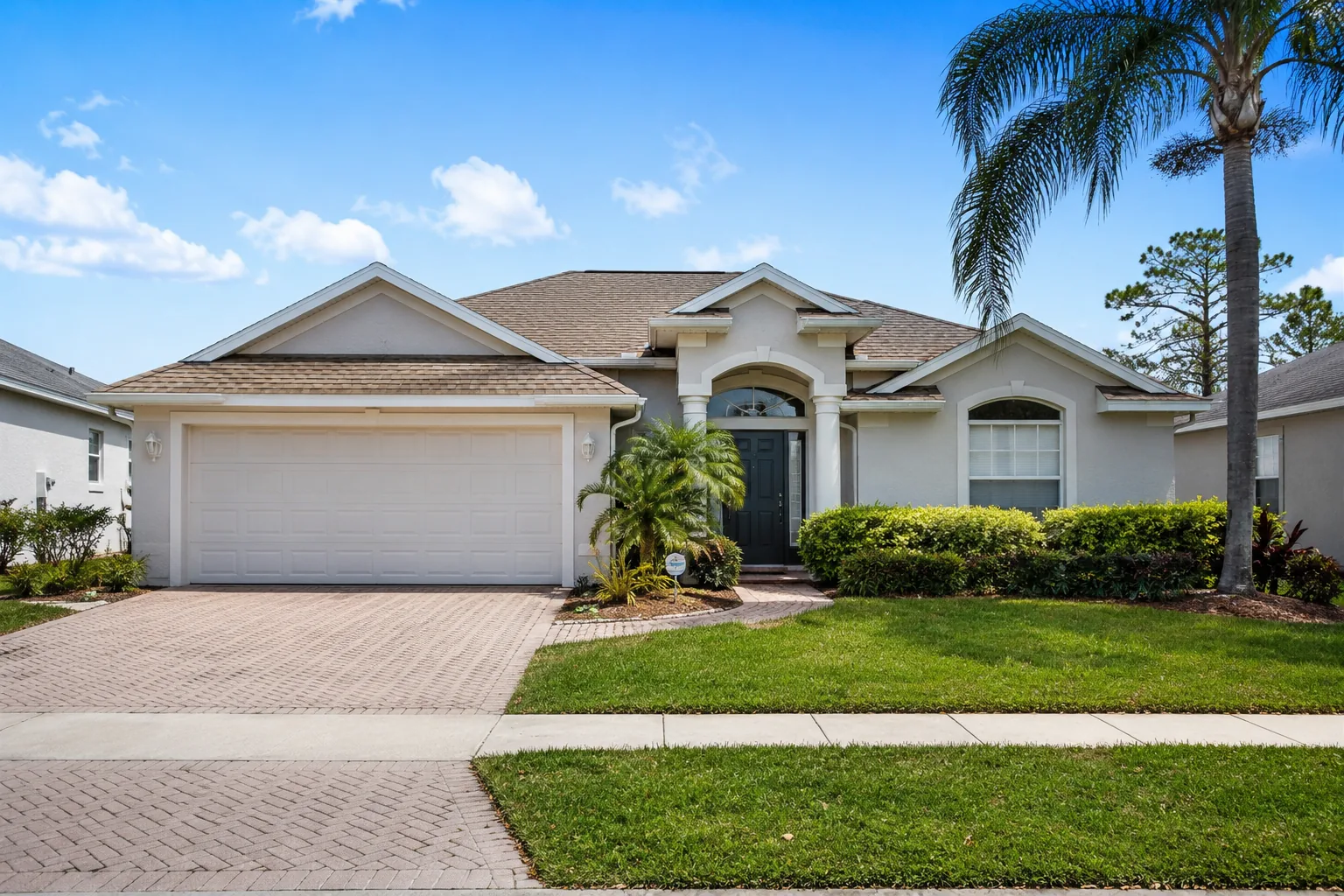
A top to bottom visual review of a home's major systems and structure, explained in plain language.
View service →Services
- Full Home Inspection
- Pre-Purchase Inspection
- Pre-Listing Inspection
- 4-Point Inspection
- Wind Mitigation Inspection
- Pre-Pour Inspection
- Pre-Drywall Inspection
- New Construction Final Inspection
- Builder Warranty Inspection
- Move-Out Inspection
- Rental Inspection
- Indoor Air Quality Testing
- Mold Swab Testing
- Well Water Testing
- Pool & Spa Inspection